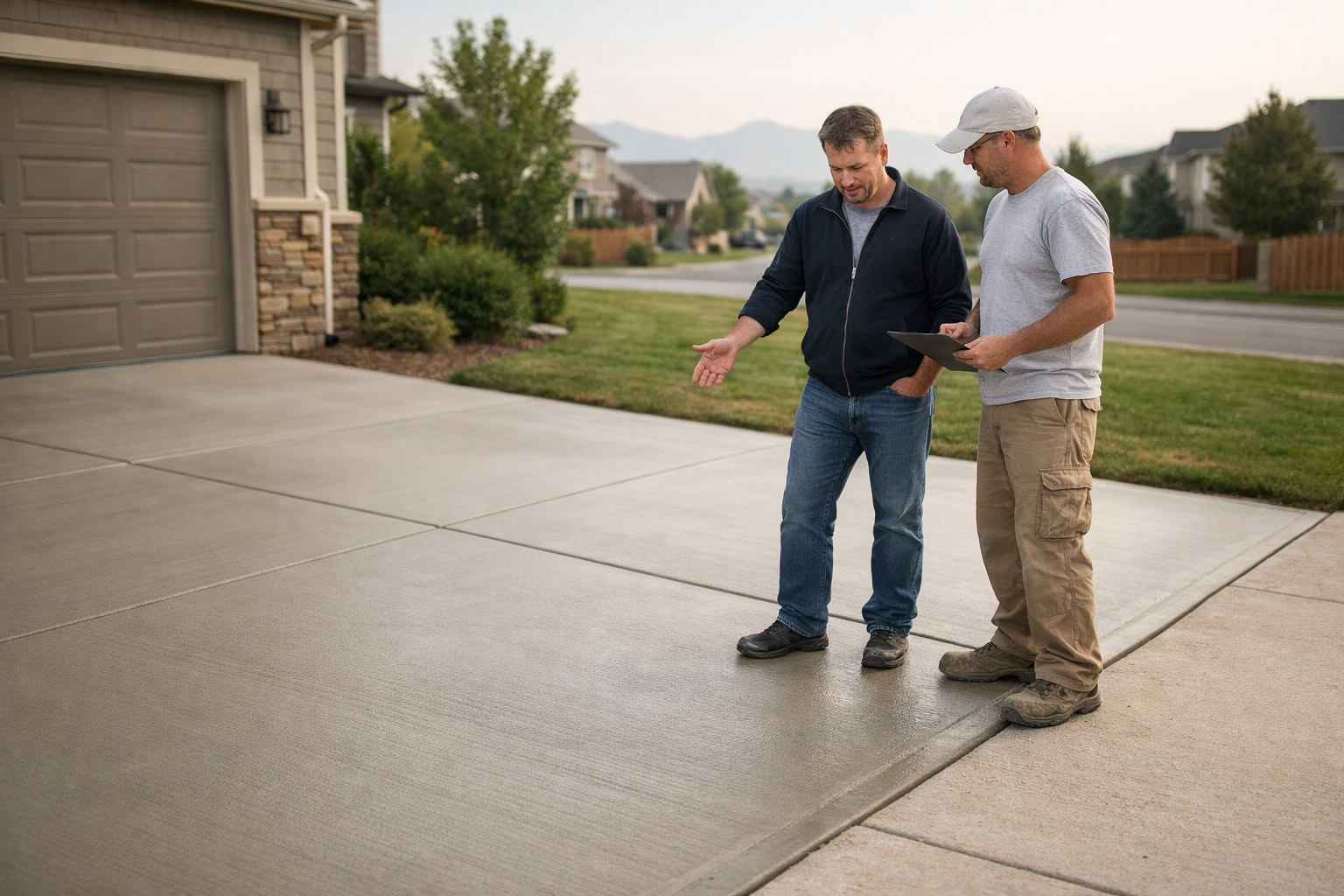
Hiring a concrete contractor in Denver is a decision that affects your home for years. A driveway, patio, or slab should last decades when installed correctly. However, problems begin quickly when corners are cut.
Because concrete work looks simple on the surface, many homeowners underestimate what happens underneath. Proper preparation, grading, reinforcement, and curing all matter. When any of these steps are rushed, cracking and settling often follow.
Therefore, before you move forward with a residential project, it helps to understand what separates careful workmanship from short-term fixes.
Below are seven common mistakes homeowners make when hiring a concrete contractor in Denver—and how to avoid them.
1. Choosing the Lowest Bid Without Comparing Details
Naturally, price matters. Every homeowner wants a fair estimate. However, the lowest number on paper does not always reflect the best long-term value.
Often, cheaper bids reduce:
• Base preparation depth
• Reinforcement materials
• Concrete thickness
• Finishing time
• Cleanup standards
Instead of focusing only on the bottom line, review what each estimate includes. For example, ask about slab thickness, reinforcement type, and site preparation steps. A detailed proposal shows planning and professionalism.
Additionally, be cautious if one quote comes in far below the others. That difference usually reflects scope, not efficiency.
If you want clarity before making a decision, you can always request a detailed residential estimate through our Free Concrete Quote in Denver page. Clear pricing prevents surprises later.
2. Overlooking Base Preparation
While many homeowners pay attention to the visible surface, fewer ask about what happens below it. Yet the base determines long-term stability.
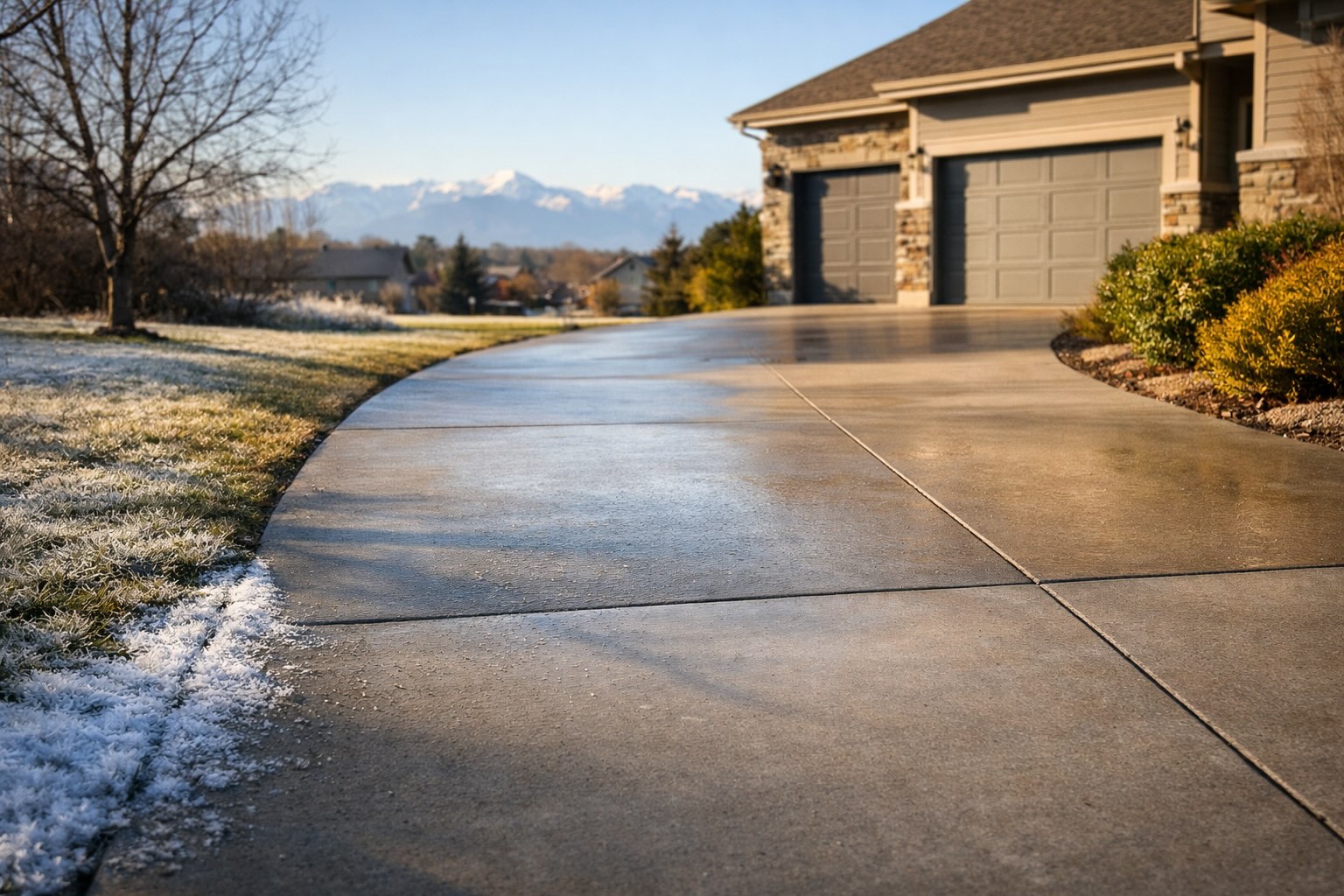
In Denver, soil conditions vary. Furthermore, freeze-thaw cycles create expansion and contraction. Without proper excavation and compaction, the slab may shift.
Before hiring a contractor, ask:
• How deep will excavation go?
• What material will be placed beneath the slab?
• How will compaction be handled?
Because concrete depends on stability, preparation cannot be rushed. A strong base protects your investment for years.
3. Ignoring Drainage and Slope
Water creates problems quickly when grading is incorrect. Over time, pooling water leads to cracking, erosion, and surface deterioration.
Therefore, proper slope matters.
A driveway or patio should guide water away from the home. In addition, expansion joints should be positioned strategically to manage stress points.
Ask how the contractor plans to handle runoff. Even small grading adjustments can prevent major issues later.
Good drainage design does not always show immediately. However, it protects your concrete long after installation.
4. Skipping Reinforcement Discussions
Reinforcement strengthens residential concrete installations. Still, many homeowners never ask what reinforcement will be used.
Depending on the project, reinforcement may include:
• Rebar
• Wire mesh
• Fiber additives
Each option serves a purpose. For example, rebar adds structural strength, while fiber can help reduce surface cracking.
Instead of assuming reinforcement is standard, request specifics. A knowledgeable residential concrete contractor in Denver should explain reinforcement clearly and confidently.
5. Not Understanding Curing Timelines
After the pour, curing begins. Although concrete may appear dry within a day, strength develops gradually.
Because Denver weather fluctuates, curing requires attention. Temperature shifts, sun exposure, and moisture levels all affect the timeline.
Therefore, ask:
• When can foot traffic resume?
• When can vehicles return?
• How will the surface be protected?
Understanding curing prevents accidental damage. Moreover, proper curing protects surface durability.
6. Failing to Review the Full Scope of Work
Clarity prevents misunderstandings.
A written agreement should outline:
• Measurements
• Timeline expectations
• Payment terms
• Cleanup responsibilities
• Material details
While verbal discussions help, written details protect both parties.
Before work begins, review the full scope carefully. If something seems unclear, ask for clarification. Good contractors welcome questions.
7. Hiring Without Confirming Residential Experience
Residential work differs from commercial projects. Home driveways and patios require attention to detail, clean edges, and careful finishing.
In addition, homeowners expect:
• Clear communication
• Respect for landscaping
• Clean job sites
• Professional scheduling
Therefore, confirm the contractor focuses on residential concrete services in Denver. Experience with neighborhood projects often translates into smoother execution.
Additional Factors Denver Homeowners Should Consider
Beyond these seven mistakes, several additional factors affect residential concrete success.
Seasonal Timing
Spring and early fall often provide ideal conditions for pours. However, experienced crews can manage projects during other seasons with proper planning.
Because temperature affects curing speed, scheduling matters. Ask how weather will impact your timeline.
Concrete Thickness
Standard residential driveways often use four inches of concrete. However, heavier loads may require thicker slabs.
Instead of assuming thickness is standard, confirm measurements in writing.
Control Joints
Control joints help manage cracking. Although cracks can occur naturally, joints guide where they appear.
A professional contractor spaces joints intentionally. Proper placement protects appearance and durability.
Surface Finish Options
Homeowners can choose from:
• Smooth finishes
• Broom finishes
• Decorative textures
• Stamped concrete
Each finish affects traction and aesthetics. For example, broom finishes add slip resistance, which benefits Denver winters.
Discuss finish options before installation begins.
Why Careful Hiring Matters
Concrete represents both structure and curb appeal. When installed correctly, it enhances property value and functionality.
Conversely, rushed or poorly planned work creates frustration. Repairs often cost more than initial savings from a low bid.
Therefore, thoughtful evaluation makes sense.
When reviewing options, look for:
• Clear explanations
• Transparent pricing
• Detailed preparation plans
• Realistic timelines
If you want to compare your project details, you can request a no-obligation estimate through our Free Quote Request Page to better understand what your specific project requires.
Final Thoughts
Hiring a concrete contractor in Denver requires more than comparing prices. Instead, evaluate preparation methods, drainage planning, reinforcement details, and curing expectations.
Because residential concrete affects your home’s appearance and safety, careful planning matters.
By avoiding these seven mistakes, homeowners protect their investment and reduce long-term risk.
If you are planning a driveway, patio, or residential slab in the Denver Metro area, take time to ask the right questions. Strong concrete starts long before the pour.
And when you are ready to move forward, you can start with a clear estimate through our Free Residential Concrete Quote page.